ICADSS 2025
The 4th International Conference on Art, Design and Social Sciences (ICADSS 2025) was a hybrid conference which includes several symposium series (offline and online) around the world. Dr. Ioannis Panagiotou from Lincoln College, Dr. Enrique Mallen from Sam Houston State University, and Dr. Yanhua Qin from Beijing Normal University have chaired these symposium series on related topics. ICADSS 2025 provided the participants with good opportunities to exchange ideas and build networks, and it will lead to further collaborations between both universities and other societies.
Symposium:
Lincoln College, UK
Symposium Chair: Dr. Ioannis Panagiotou, Lecturer in Lincoln College Head of Music, Lincoln College Tutor in Composing for Screen, The University of Edinburgh Postdoc Research Fellow, University of the Aegean
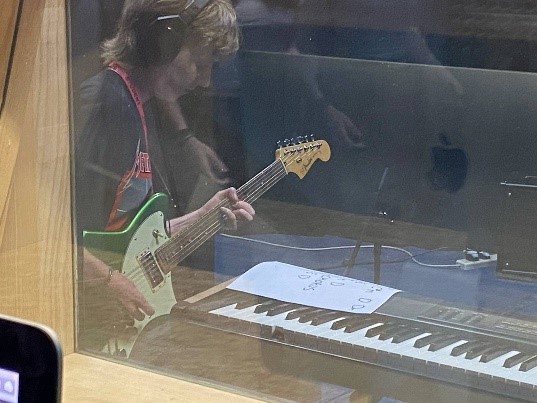
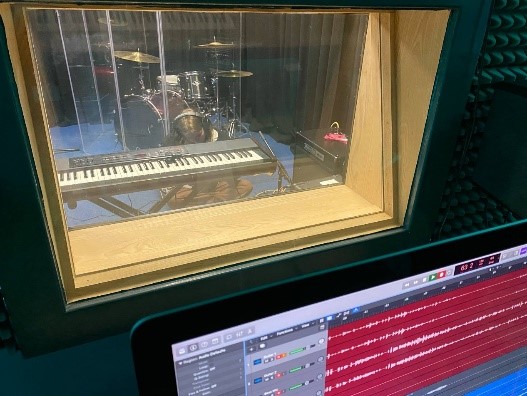
The symposium “Art, Identity, and Society: Interdisciplinary Dialogues”, held at Lincoln College in August 2025, was led by Dr. Ioannis Panagiotou and offered participants a rich exploration of the relationship between music, politics, and creative practice.The session began with a detailed scholarly analysis of the collaboration between the composer Hans Eisler and the playwright Bertolt Brecht. Dr. Panagiotou highlighted the ways in which their songs functioned not only as artistic works but also as politically charged interventions that challenged audiences and shaped cultural discourse. This contextual foundation provided students with a deeper understanding of how political ideas can be embedded within musical composition and performance. From there, participants transitioned into a hands-on exploration of contemporary creative practice.
Sam Houston State University, USA
Symposium Chair: Dr. Enrique Mallen, Professor in Sam Houston State University
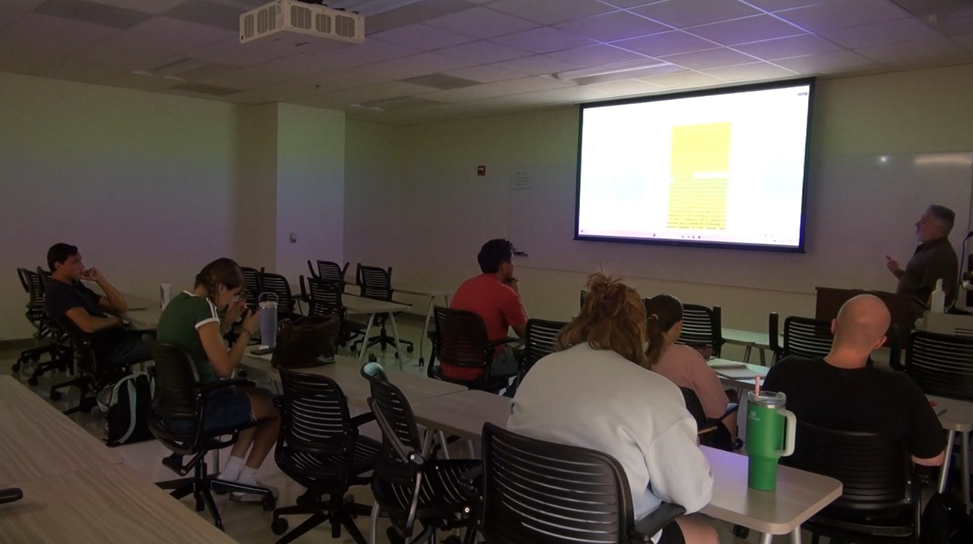
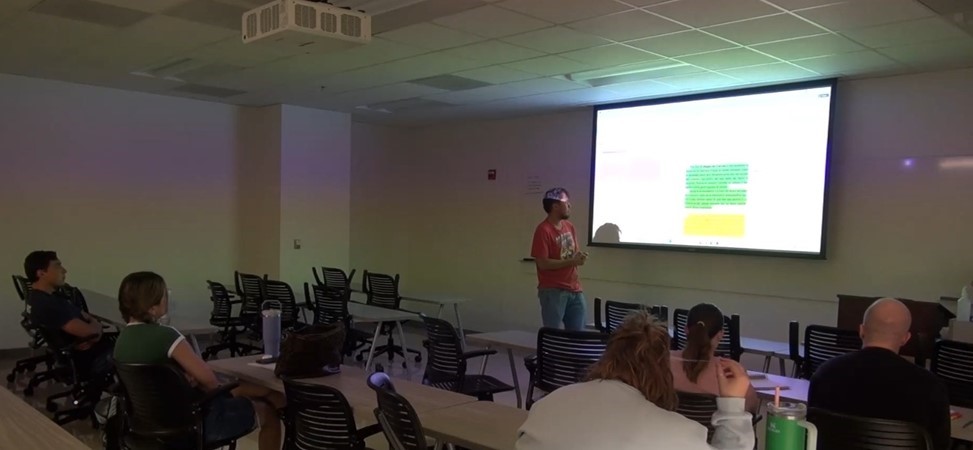
According to the Noticing Hypothesis, input only transforms into intake for language acquisition if it is consciously recognized. The idea that language acquisition should be influenced by what learners focus on and recognize in the target language makes sense. In basic terms, individuals gain knowledge from what they focus on and learn little about what they ignore. Awareness and attention are tightly connected, that is, what we are conscious of is what we focus on, and what we focus on influences what enters phenomenal consciousness. Learning requires attention, so that awareness is essential too. In this symposium we discussed conscious strategies to effectively learn a language. One of the most important things is to immerse yourself by consuming media and changing device settings, practice regularly with a speaking partner, use comprehensible input through reading and listening, incorporate spaced repetition for vocabulary, set realistic goals, and don't be afraid to make mistakes. Combining these strategies provides a well-rounded approach to developing fluency, even creating an "immersion bubble." We focused specifically in this symposium on ways to enhance language learning through reading comprehension, actively previewing texts, connecting the text to one’s background knowledge, building vocabulary, and actively monitoring one’s understanding. Strategically one can predict outcomes in the narrative, make inferences, summarize, and visualize concepts that appear in the text. One must Integrate these techniques by reading a variety of materials at one’s level and engaging with the text through questioning and note-taking to develop holistic language proficiency. Presenters went through different sections of the text and discussed how they had used these strategies to improve their reading proficiency.
Beijing Normal University, China
Symposium Chair: Prof. Yanhua Qin, Professor in Beijing Normal University
This symposium is dedicated to exploring the opportunities and challenges brought by generative artificial intelligence (GenAI) in empowering the media industry. It focuses on addressing key issues such as ethical concerns in AI-generated content, impacts on media credibility, potential biases in algorithms, and the transformative power of GenAI in content creation and dissemination. By analyzing the latest breakthroughs in GenAI applications within the media field, the goal is to develop practical strategies for responsible and innovative use. This will foster fruitful dialogues among researchers, media professionals, and industry stakeholders, driving the sustainable development of the media industry through GenAI.
Online Session
The online session of the 4th International Conference on Art, Design and Social Sciences (ICADSS 2025) was held on October 20, 2025. Dr. Ioannis Panagiotou from Lincoln College, Dr. Oksana Afitska from Lancaster University, and Dr. Kwasu Tembo from Lancaster University have given keynote speeches on related topics of business, finance, economics, and management, etc. Also, we invited authors of qualified papers to deliver oral presentations at the Online Session. The authors have presented their studies of design science, fine arts, sociology, etc. Questions from the audience were collected and answered by the presenters.
Highlights
Title: Language, Cognition and Student Performance in Subject Classrooms: Scaffolding Learning
Through Language
Presented by: Oksana Afitska, Ph.D., Lancaster University, UK

Title: XSARAFINA (1992)
Presented by: Kwasu Tembo, Ph.D., Lecturer, Faculty of Arts and Social Sciences, Lancaster
University
Title: Music, Identity, and Society: Politics and Poetics of Time, Exile, and Pain
Presented by: Ioannis Panagiotou, Ph.D., Lecturer, Performing Arts Department, Lincoln College
Videos
You can find the Youtube Playlist of online session here.
Publication
YAccepted papers of ICADSS 2025 will be published in Communications in Humanities Research (Print ISSN 2753-7064) and will be submitted to Conference Proceedings Citation Index (CPCI), Crossref, CNKI, Portico, Google Scholar, and other databases for indexing.
Title: Communications in Humanities Research
Press: EWA Publishing, United Kingdom
ISSN: 2753-7072(electronic)


Sometimes it is the people who no one imagines anything of, that do the things that no one can imagine.